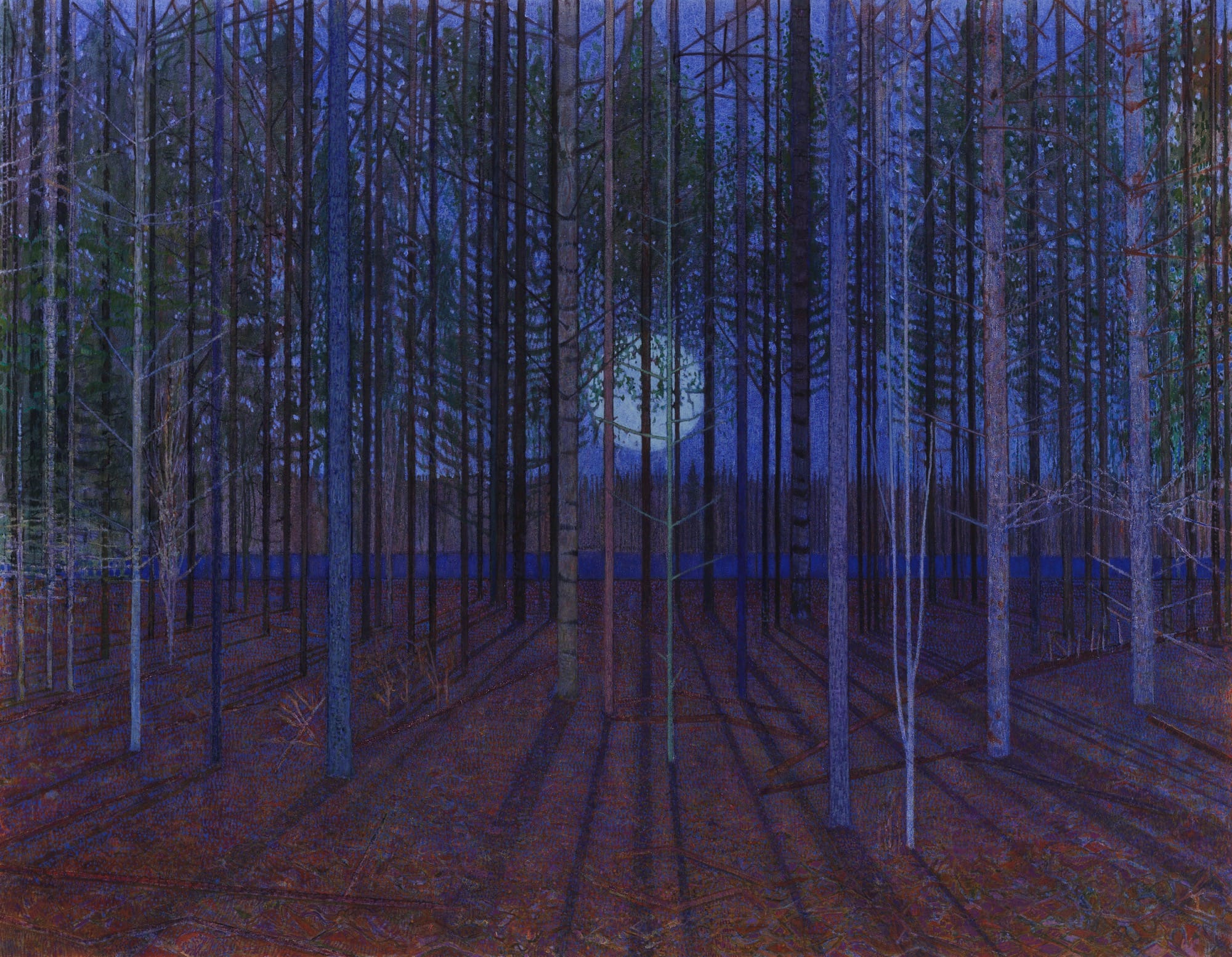
How Sky Glabush Conjures Atmospheric Landscapes in Sand and Oil Paint
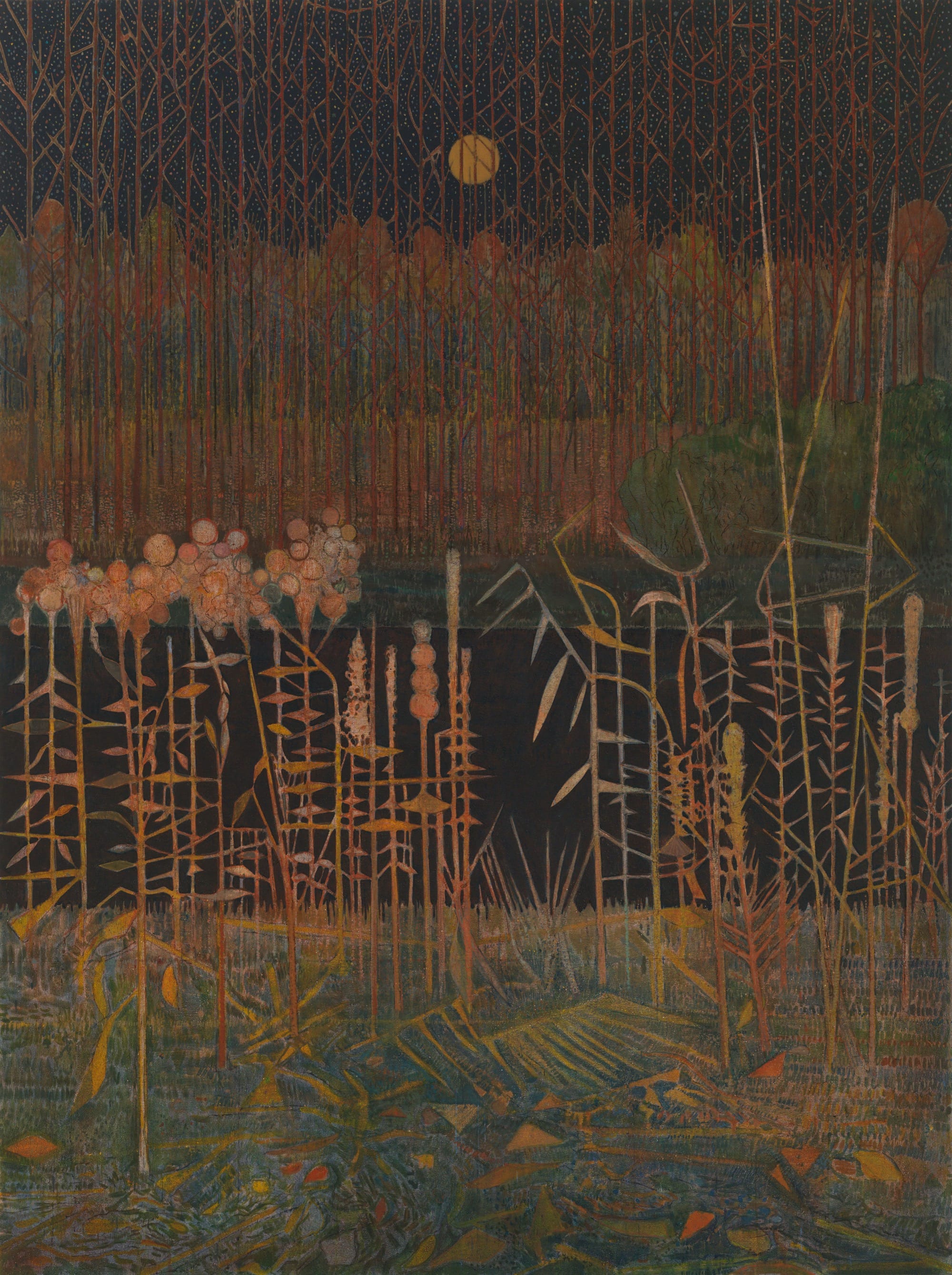
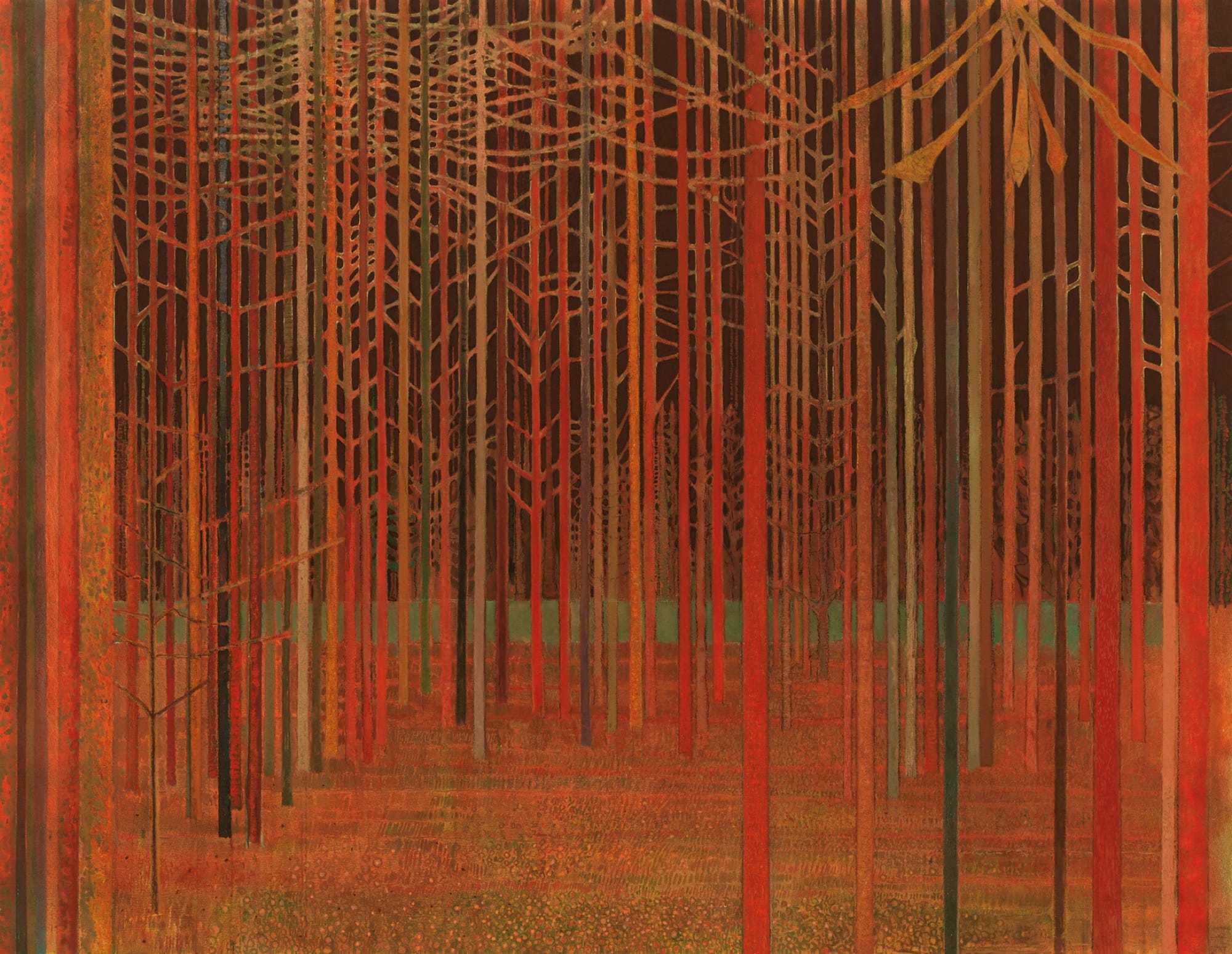
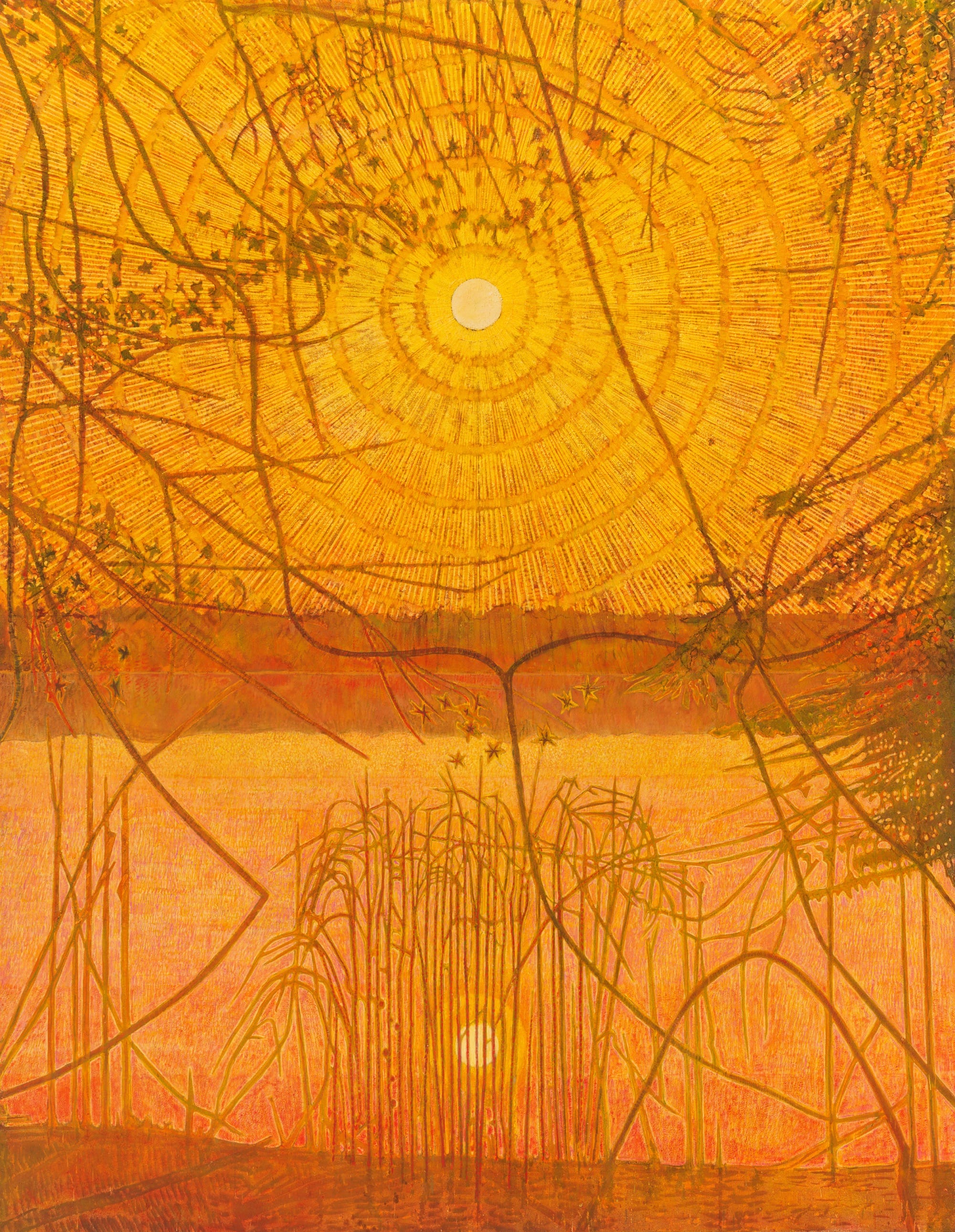
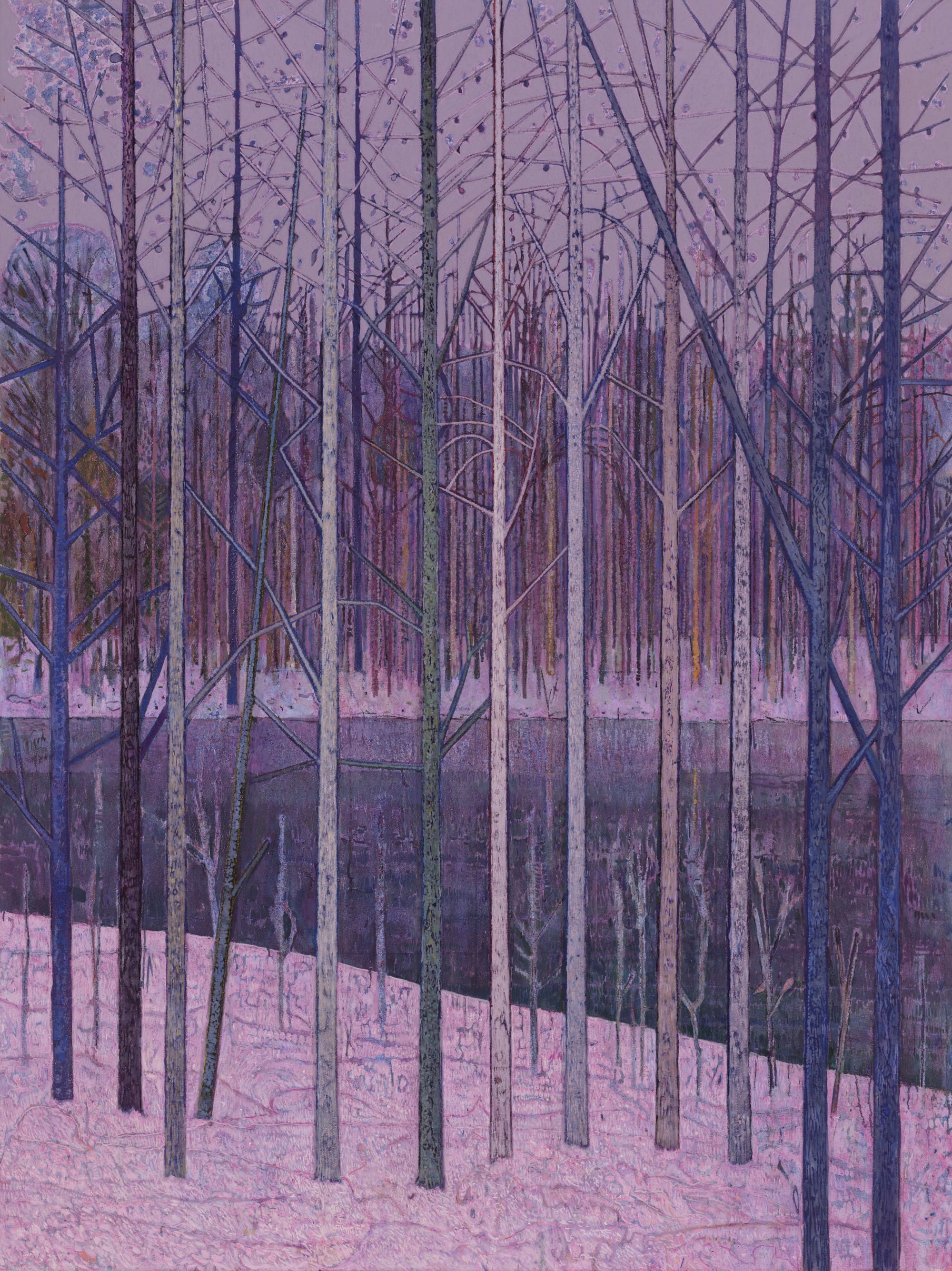
Looking at the serene paintings that emerge from Sky Glabush’ s studio, it’s easy to feel a soft breeze sliding off bare summer shoulders or hear the crunch of leaves underfoot, their parched fibers reverberating across the autumn landscape. Transportive and atmospherically charged, the landscapes harness the allure of texture to draw the viewer in and invite them to stay a while.
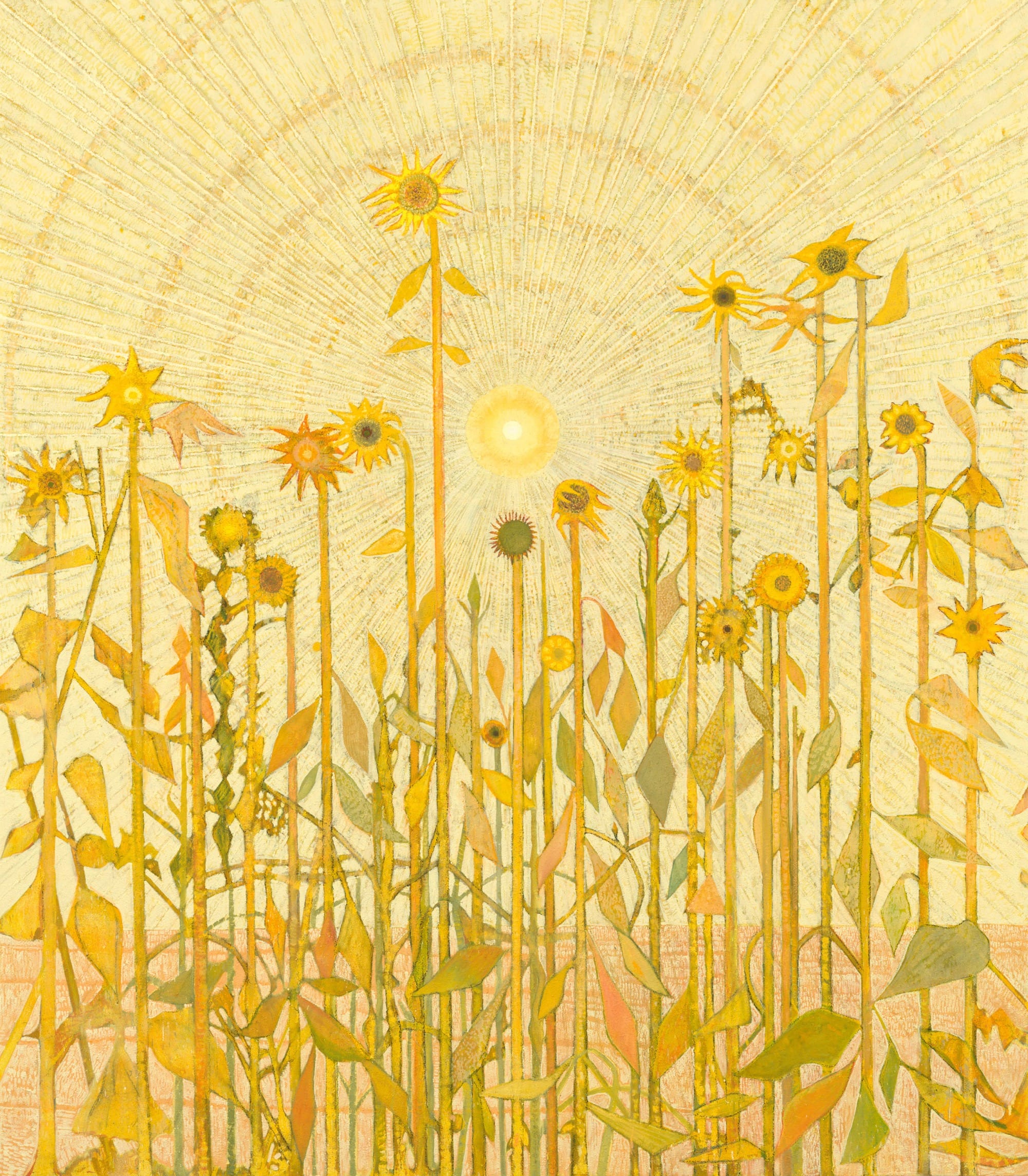
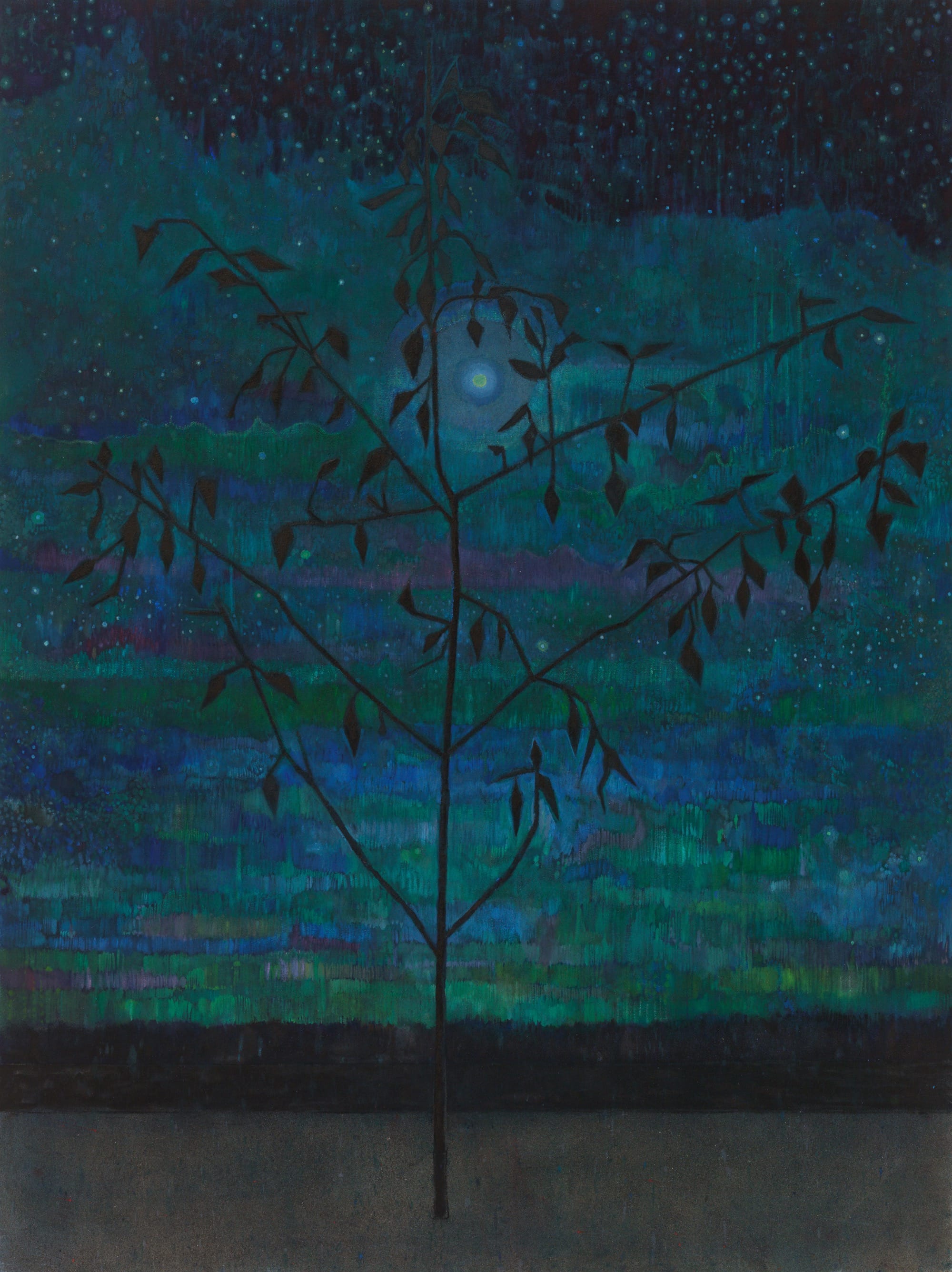
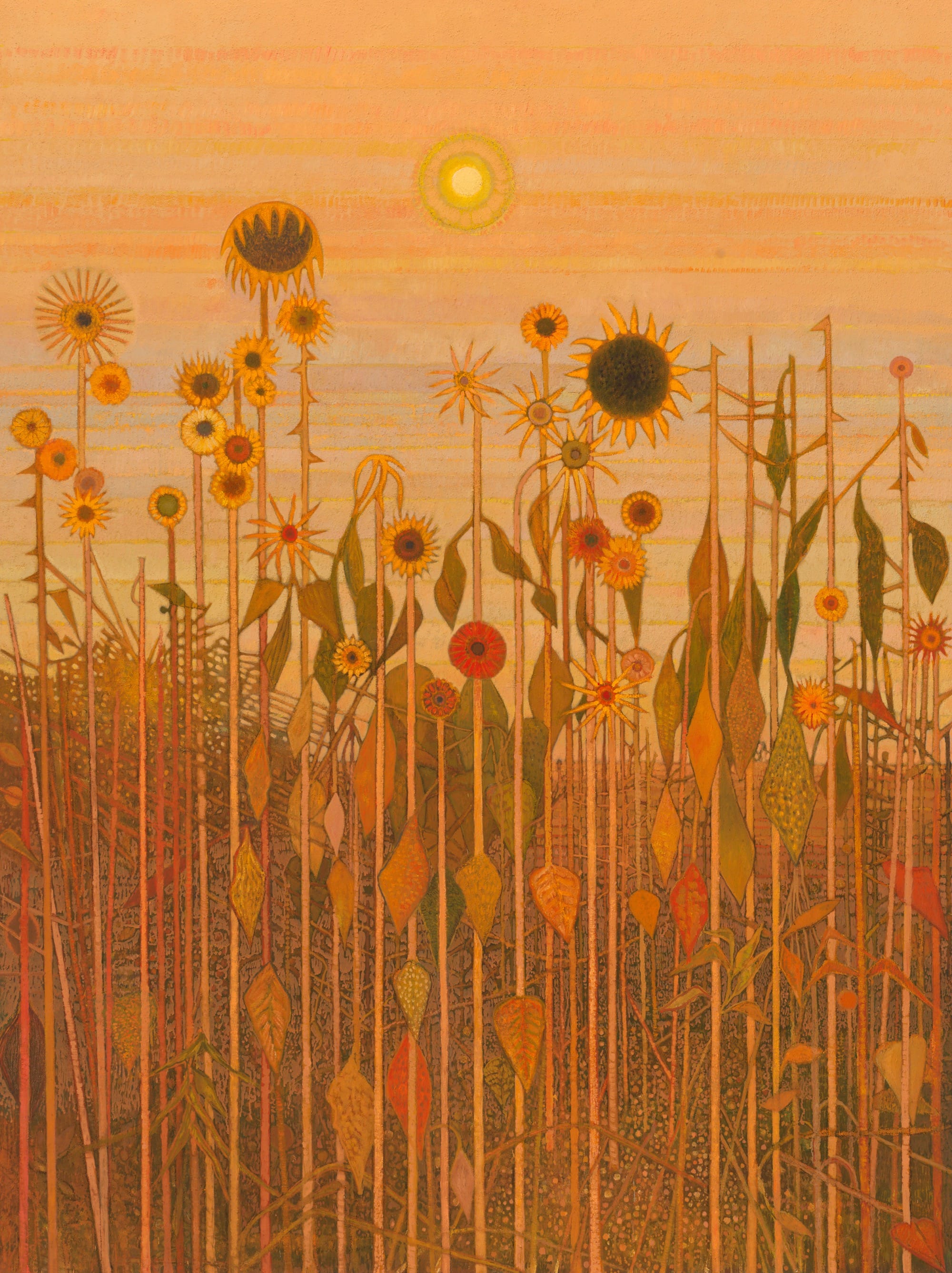
Raised on the west coast of British Columbia and currently based in rural Ontario, Glabush has long been attuned to the natural world. He often identifies the feelings he associates with a particular place and translates that through color and intuitive interpretations of the terrain: the spindly, strangely straight tree trunks of a forest, for example, or the ways a sunflower echoes the radial form of the sun.
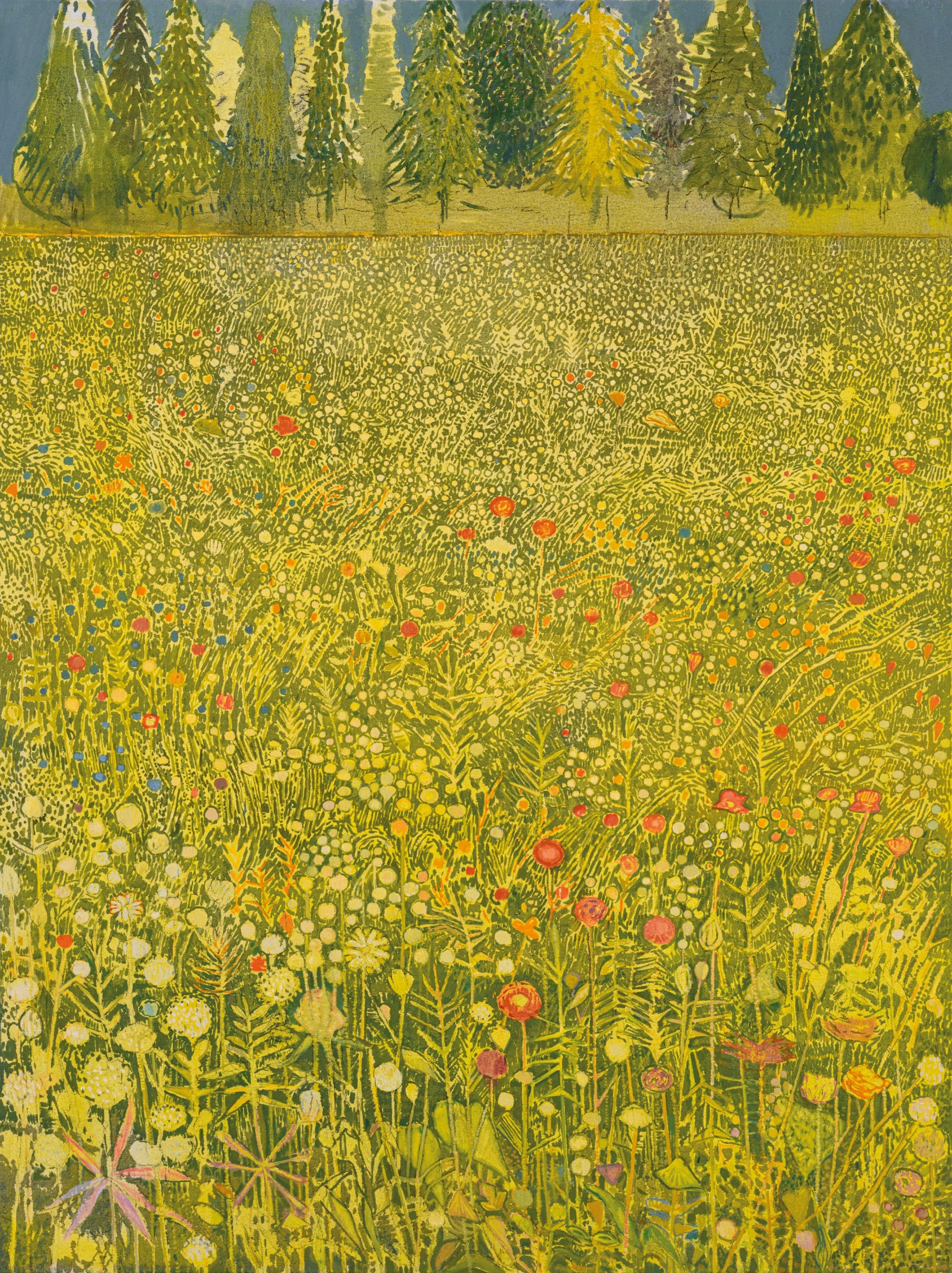
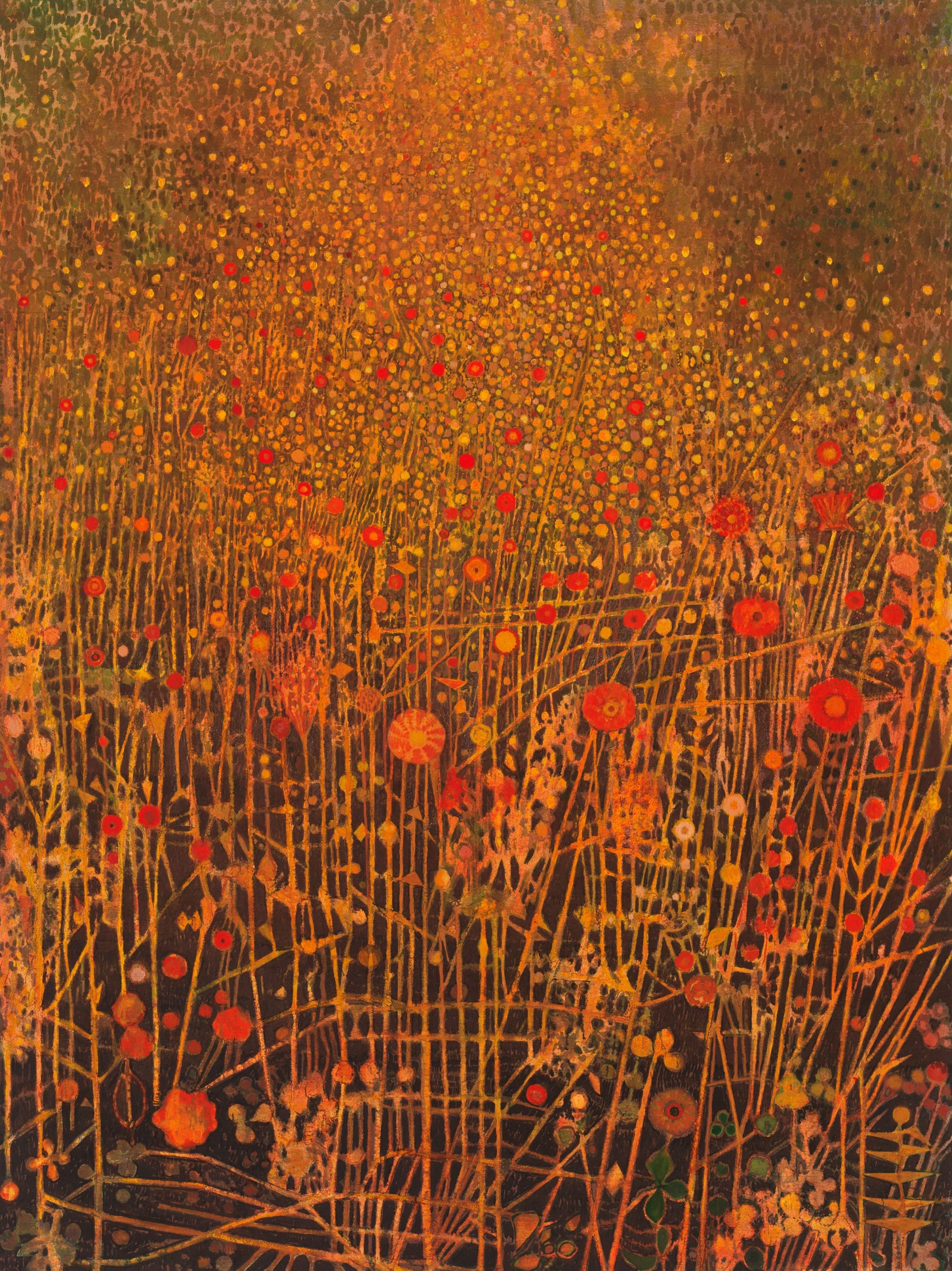
Glabush typically utilizes limited palettes that adhere to just one or two color families. He also mixes oil paint with granular particles, sand being the most common, although he’s used crushed quartz and raw pigment. Originally, the idea of combining materials emerged because the artist wanted, he says, to “obliterate the image… But I realized it didn’t destroy the image. It was still present and humming under that surface layer. So it gave me the freedom of deciding what I wanted to hold on to or what I wanted to erase.”
Adding and removing has since become integral to Glabush’s practice, which involves adding thin stains of paint and turpentine to the point of the painting becoming relief-like. He tends to begin with an architectural structure that anchors the work. Sometimes a grid and others a radial arrangement, the foundational patterns inform each resulting layer. Color, though, is always “the unifying principle, it is the energy and dynamism, it is the element of surprise. Each painting often goes through several iterations of colour before deciding on a direction.”
Although he’s worked with other materials in the past and has particularly enjoyed carving, the conventions and limitations of painting always drew him back. “That period of experimentation with sculpture allowed me to treat my paintings in a more physically robust and experimental way. But even during my most experimental period, I saw myself as a painter and wanted to find a way to express myself within that language,” he tells Colossal.
Some of the works here will be on view in Glabush’s solo exhibition, If the Wild Bird Could Speak, on view from November 20 to January 9 at Alison Jacques in London. Until then, explore more of his paintings on Instagram.